
Every guide in this series is built to be practical — insider tips and honest reality checks throughout. Digital and print PDF versions included with every purchase. New guides deliver within 24 hours.

A step-by-step roadmap for breaking into forensic crime scene work: what the job actually requires, how the hiring landscape really works, and how to build the experience and credentials that get you hired.

Comparing the two real routes into CSI work — civilian specialist versus sworn police officer — to find the one that fits you.

What degree you actually need for CSI work, and which fields of study give the strongest foundation.

What the CSI hiring process and background investigation actually involve, and how to prepare for both.

The core photography skills every crime scene technician needs to document a scene properly.

Proper evidence collection and preservation technique — the core skill of the job.

The fundamentals of locating, developing, and lifting fingerprints at a crime scene.

Biological hazards, chemical exposures, structural dangers, and the personal protective equipment protocols that keep crime scene technicians safe in the field.

What to expect in your first three months on the job — navigating the chain of command, building your skill set, and earning the trust of the detectives you work with.

Understanding the IAI's Certified Crime Scene Investigator credential — eligibility, the exam, and why it matters for your career.

Preparing to testify credibly and confidently as an expert witness — a core, ongoing part of the job.
Realistic paths for career growth and specialization once you're established in the field.
A realistic roadmap to a meteorology career — degree requirements, specializations, and where the jobs actually are.
Comparing meteorology and atmospheric science programs to find the right academic fit.
The specific, competitive path into on-air weather forecasting.

Breaking into NWS, NOAA, and research-track meteorology careers outside of broadcast.
Understanding professional certifications (like the AMS Seal) and building credibility early in a meteorology career.
A realistic starting point for pursuing acting, cutting through the overnight-success myth.
Building real acting skill through training, classes, and consistent practice before pursuing paid work.
Building the materials (reel, headshots, resume) and finding representation that actually helps.
Building genuine audition skill and a sustainable process for the volume of rejection the career involves.
Structuring a sustainable financial life around acting work in its early, unpredictable years.

A realistic roadmap to becoming a lawyer, and the real reasons behind law's surging 2026 popularity.

An effective LSAT preparation strategy, since the score genuinely shapes which law schools are realistically in reach.

Choosing a law school strategically, since rank alone doesn't determine career outcomes the way most applicants assume.

Getting through law school's demanding first year and passing the bar exam afterward.
Navigating the legal job market as a new graduate, in a market that's more competitive than the degree implies.

A realistic roadmap to the flight deck — training paths, real costs, and the honest timeline.

Comparing flight school, collegiate aviation programs, and the military path honestly.

The sequence of pilot certificates and ratings required on the path to an airline career.

Building the flight hours required for an airline job, through flight instruction and other early-career routes.
Landing your first airline job at a regional carrier, and what the interview process actually involves.

Adjusting to the reality of life as a working airline pilot — scheduling, reserve duty, and time away from home.
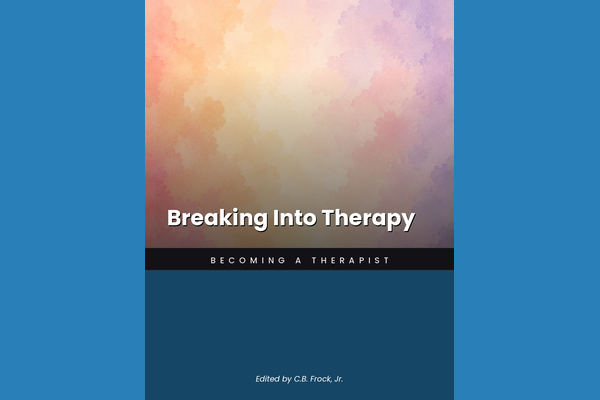
A realistic roadmap for becoming a licensed therapist, including the real timeline most guides underplay.
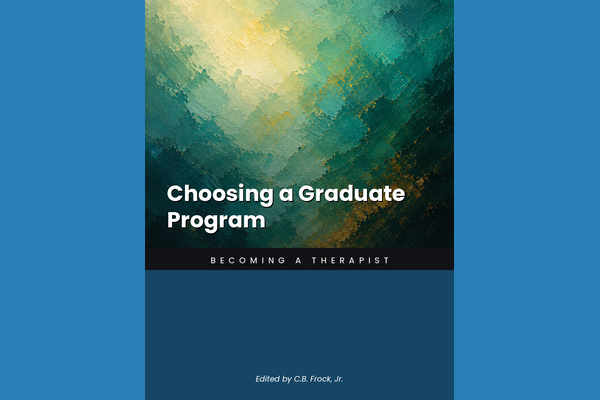
Comparing therapy graduate programs and license tracks to choose the right fit.
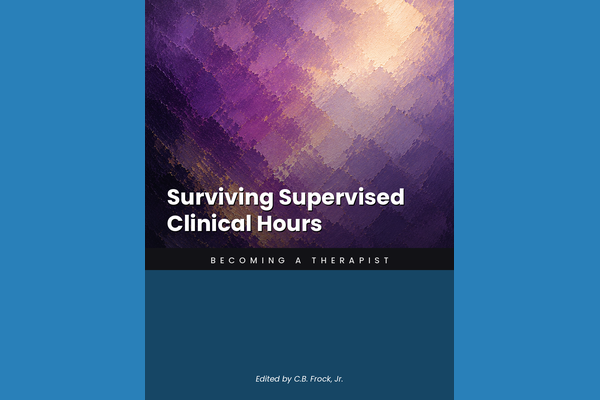
Getting through the required supervised practice hours between graduation and full licensure.
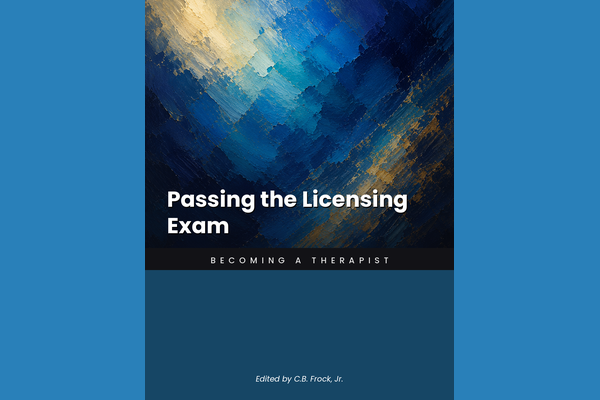
Preparing effectively for the national licensing exam required for full clinical licensure.
Building a caseload and, eventually, a private practice once you're fully licensed.

A realistic roadmap to becoming a firefighter — physical, educational, and competitive requirements included.

Preparing specifically for the Candidate Physical Ability Test (CPAT) most departments require.

Why EMT certification matters for firefighter candidates, and how to get it efficiently.

Preparing for the written exam and oral interview stages of the hiring process.
Getting through fire academy physically and mentally, once you've been accepted.
What the first year on shift actually looks like, and adjusting to firehouse life and culture.

What it actually takes to become a licensed real estate agent, and an honest look at whether the income reality matches the dream.

The licensing process state by state, and how to pass the exam on your first try.

Comparing brokerages honestly — commission splits, training, and support — to find the right fit for a new agent.

Building a client pipeline from zero, without an existing network or advertising budget.
Getting through the financially lean, uncertain first year that ends most new agents' careers early.

The straightforward path to becoming a notary public, and what the role actually involves.

Turning a notary commission into real income through mobile and loan signing work.

Building notary work into a genuine, flexible side income around an existing job.

Avoiding the mistakes that create real legal liability for a notary, and staying compliant over time.
Every guide is built to give you real answers you can use, not filler.
Practical insights on each page that go deeper than the basics.
Honest notes about what’s hard, what takes time, and what to watch out for.
Screen-optimized. Works on any device — phone, tablet, or computer.
High-resolution and printer-ready. Take it anywhere.
One-time purchase. No subscriptions. Download once, keep forever.
Reviewed for accuracy before publishing, with periodic updates for guides on fast-changing topics.
Every chapter ends with a ready-to-use AI prompt — tap to open (digital) or copy and paste (print) to apply it to your situation.
Every guide in this series is built for practical results — real insights, no fluff.
Browse All Career & Work Guides